
Ghana is rapidly urbanising, transforming not only skylines but also the social fabric that binds communities together. As cities expand, the stability of urban households become increasingly important in supporting safe, inclusive, and productive communities. Of late, a growing concern among urban family practitioners is the decline of parental involvement especially among fathers which threatens […]
Christmas in Accra: A Festive Season of Traffic and Tension
Every December, Accra slips into a unique rhythm; festive lights, overflowing markets, full social calendars, and paralysing traffic. Roads slow to a crawl, tempers flare, productivity drops, and what should be a season of joy becomes a daily test of patience and endurance. This congestion is not a surprise. It happens every year. Yet, each […]
Land Value Capture as a tool for Urban Development: Effects on the community.
Land value capture (LVC) is one of the most debated tools in contemporary urban policy. Land Value Capture (LVC) is how governments recover the extra value added to land by public investments (like roads, transit, or parks) either by taxing it as revenue or reinvesting it directly in community upgrades that benefit all residentsi. Land value capture is applied […]
Changing family structures: Rethinking planning in a changing Ghanaian Society
Ghana is urbanising and undergoing social and spatial transformation. Beneath the concrete buildings, traffic congestion, noise of political debates, and development targets lies a quieter, more intimate revolution, the changing Ghanaian family. The transformation of the extended family to a nuclear family structure is evident in Ghanaian societies today. This transition is not just about […]
THE PLANNING PARADOX: HOW GHANA’S ADMINISTRATIVE SPLITS ARE UNDERMINING DEVELOPMENT
Ghana’s administrative fragmentation represents a classic case of political expedience undermining technical rationality. Whilst the desire to bring governance closer to the people is laudable, the current approach has created a planning system that is increasingly unable to deliver on its development promises. Debatable? Let’s read. Ghana’s decision in 2018 to expand from ten to […]
World Habitat Day 2025: Urban Crisis Response — Lessons from Ghana
As the world marks World Habitat Day under the theme “Urban Crisis Response,” Ghana stands as both a warning and a window into how rapidly urbanising nations are confronting the realities of 21st-century urban fragility. Across Accra, Kumasi, and Tamale, the rhythm of urban expansion is accelerating faster than the infrastructure and governance systems meant […]
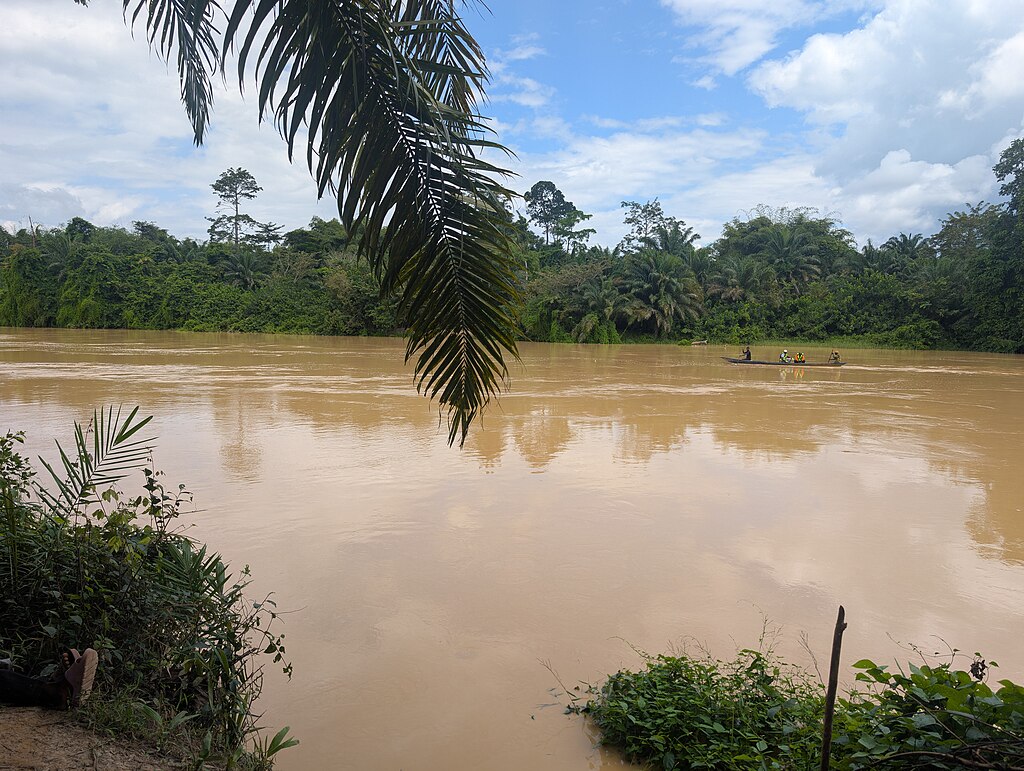
Illegal Mining in Ghana: The Fight Against Galamsey and the Perils of Politicisation
Illegal mining, often referred to as galamsey in Ghana, has become a major national issue, posing serious threats to the environment, public health, and local livelihoods.

Uber in Ghana: Its effect on existing commercial transport and its impact on Urban Mobility
Over the past few months, there have been a number of news reports concerning free floating taxi drivers as well as union drivers about the competing nature of Uber.
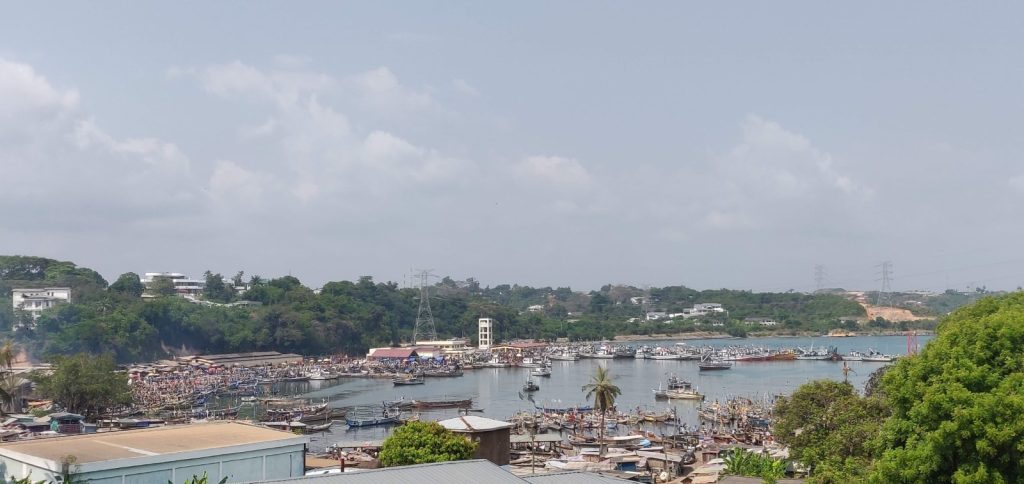
Driving Climate Resilience in Sekondi-Takoradi: A New Urban Blueprint Emerges from Ghana’s Western Coast
As the climate crisis intensifies across the globe, one Ghanaian city is quietly charting a bold and pragmatic path toward resilience.
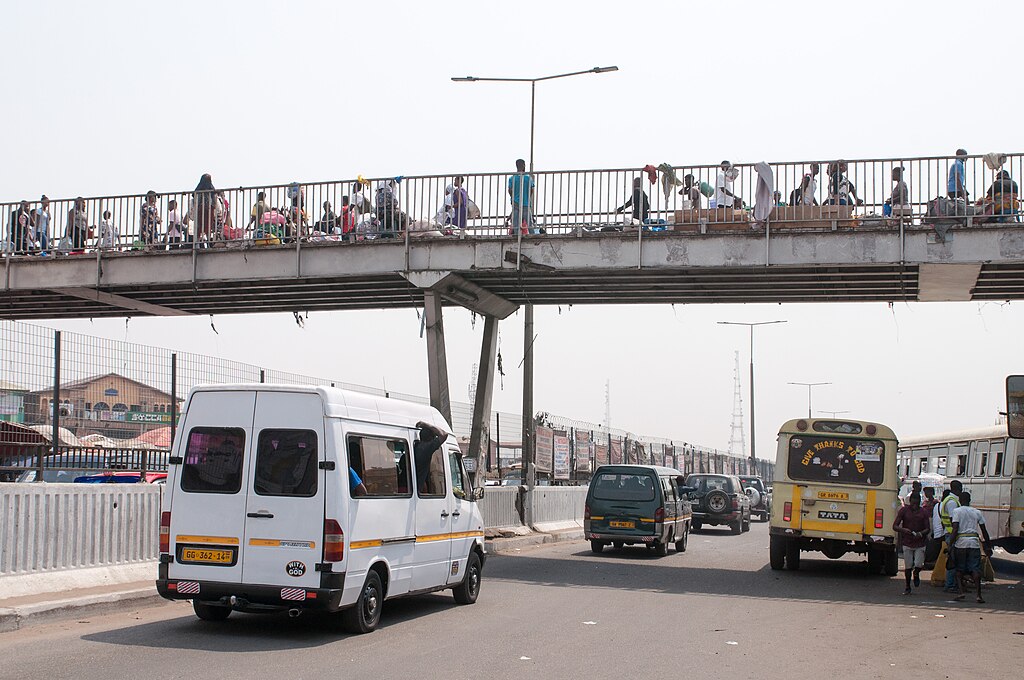
Till Death Do Us Part – The Plight Of Pedestrians As Road Users
I had the opportunity to research on the George Walker Bush (N1) Highway shortly after it was commissioned. One subject of interest was why pedestrians chose to abandon the overhead crossings and rather took the dangerous risk of crossing at unapproved points.